Water Damage Restoration: A Comprehensive Guide
Water damage is a pervasive issue that homeowners and business owners may face. Whether caused by natural disasters, plumbing failures, or human error, the impact of water damage can be catastrophic. Understanding how to respond effectively is crucial for minimizing damage and ensuring safety. This guide will provide you with comprehensive insights into the process of water damage restoration, from ensuring safety to contacting professional services.
Effective water damage restoration requires swift action to minimize lasting issues.
Ensure Safety First
Assessing the Situation
Taking these steps can aid in a successful water damage restoration process.
In many cases, professional water damage restoration services can expedite recovery.
Before doing anything else, the first step in dealing with water damage is assessing the situation. This involves determining the extent of the water intrusion and identifying any potential hazards. Look for signs of structural damage, electrical issues, or the presence of mold. If the water is from a clean source, such as a broken pipe, the risk is lower than if it’s from a contaminated source like floodwater, which may contain harmful pathogens. Always prioritize safety over damage control.
It’s essential to follow the recommended safety guidelines during any water damage restoration effort.
Take time to survey the affected areas. If you notice extensive damage or if the structural integrity of your property is compromised, it may be necessary to evacuate the premises until professional help can assess the situation. Always proceed with caution, especially if there is stagnant water, as this can pose risks of electric shock or injury.
Proper gear is crucial during the water damage restoration to ensure health and safety.
Evacuating the Area
If water damage is severe, evacuate all occupants from the affected areas to ensure their safety. This includes pets, children, and elderly individuals who may be more vulnerable. If the water has reached electrical outlets or wiring, it’s crucial to avoid any contact with water until the electricity is shut off. Notify anyone in the vicinity about the potential risks and secure the area to prevent entry until it is safe.
Addressing the source promptly is critical for effective water damage restoration.
Once the area is evacuated, contact local emergency services if there are any immediate threats, such as flooding or structural damage. The safety of all individuals should remain the priority while addressing the water damage situation.
Understanding the source will aid in the overall water damage restoration strategy.
Effective water damage restoration can prevent future issues from arising.
Using Protective Gear
Shutting off the water supply is a key step in any water damage restoration process.
When addressing water damage, especially in contaminated environments, wearing the appropriate protective gear is essential. This includes rubber gloves, waterproof boots, and masks to prevent inhalation of mold spores or harmful particles. If the water comes from a known contaminated source, consider donning goggles and a full-body suit to further shield yourself from potential health risks.
Using protective gear not only safeguards your health but also reduces the risk of cross-contamination. If you plan to work in the area to start the drying and cleanup process, ensure that you’re fully prepared to protect yourself from any dangers posed by the standing water or damp materials.
Taking these actions will significantly enhance your water damage restoration efforts.
Utilizing fans is a great method to support the water damage restoration procedure.
Contacting your insurance promptly can facilitate your water damage restoration claims.
Documenting details is vital during the water damage restoration to assist in claims.
Stop the Source of Water
Identifying the Source
Once you’ve ensured safety, the next step is to identify the source of the water intrusion. This could be a leaky pipe, a malfunctioning appliance, or external factors such as heavy rain or flooding. Understanding the source will help you determine the best course of action to stop the water flow. If it’s a plumbing issue, locate the shut-off valve for the specific section of the property, or the main water supply if necessary.
Understanding your policy helps in navigating water damage restoration claims.
If the flooding is due to natural disasters, such as heavy rainfall, consider contacting local emergency services for assistance. They may provide guidance or resources to address the situation effectively. Understanding the cause of the water damage is critical to not only mitigate immediate damage but also to prevent future occurrences.
Filing a timely claim is essential in the water damage restoration process.
Shutting Off Water Supply
In cases where the water intrusion is due to a plumbing failure, immediately shut off the water supply to prevent further flooding. Locate the main water shut-off valve, which is typically found near the water meter or where the main water line enters the property. Turning off the supply can significantly reduce the amount of damage caused by standing water.
Once the water supply is turned off, it’s essential to drain any remaining water from the affected pipes. This may involve opening faucets and allowing water to flow out until the pipes are empty. If you’re unable to locate the valve or feel uncomfortable performing this task, contacting a professional plumber may be necessary.
Preventing Further Damage
Professional help can streamline the water damage restoration and provide peace of mind.
After stopping the source of water, it’s crucial to take immediate steps to prevent further damage. This involves removing items from the affected area, such as furniture, appliances, and personal belongings. Move these items to a dry area to reduce the risk of permanent damage. If you have access to water extraction equipment, use it to remove excess water quickly.
In addition to removing physical items, consider using fans and dehumidifiers to help dry out the space. Opening windows and doors, if weather permits, can also assist with air circulation. The quicker you can dry out the area, the less likely it is that mold will develop, which can lead to long-term issues and health concerns.
The restoration process culminates in a successful water damage restoration for your property.
Maintaining your property post-restoration is crucial to avoid future water damage restoration needs.
Follow-up care is key after completing water damage restoration to ensure longevity.
Contact Insurance
Documenting Damage
Ultimately, thorough understanding and preparation make water damage restoration more manageable.
After addressing the immediate concerns of safety and stopping the water flow, the next step is to document the damage for insurance purposes. Take photographs and videos of the affected areas, making sure to capture details that illustrate the extent of the water damage. This documentation will be crucial when filing a claim with your insurance company.
Make a comprehensive list of all damaged items, including furniture, electronics, flooring, and any other personal property. It can be helpful to also include the approximate value of each item, as this information will assist the insurance adjuster in processing your claim. Proper documentation can expedite the claims process and ensure that you receive the compensation you deserve.
Understanding Your Policy
Before filing a claim, review your homeowner’s insurance policy thoroughly to understand what is covered in cases of water damage. Policies can vary significantly in terms of coverage, and it’s essential to grasp the specific terms and conditions. For instance, some policies may cover damages caused by sudden and accidental incidents, while others may not include coverage for flooding or damage from slow leaks.
Familiarizing yourself with your policy can save you time and frustration during the claims process. If necessary, reach out to your insurance agent for clarification on any complex terms or coverage questions. Having a clear understanding of your policy will allow you to approach the claims process with confidence.
Filing a Claim
Once you are informed about your coverage, proceed to file a claim as soon as possible. Most insurance companies have specific timeframes for reporting water damage claims, so prompt action is key. Gather all the documentation and evidence you’ve collected and submit it according to your insurer’s guidelines. This typically includes filling out a claim form and providing the photographic evidence of the damage.
After submitting your claim, an adjuster will likely schedule a visit to assess the damage further. Be prepared to discuss the details of the incident and provide any additional information as needed. Maintaining open communication with your insurance provider will help facilitate the process. We work directly with outstanding insurance agents including Billy Tecklenburg at State Farm Insurance Agent Billy Tecklenburg in Westerville OH
Contact Family Value Cleaning Services
Choosing a Professional Service
While some homeowners may attempt to handle water damage restoration independently, it’s often advisable to contact a professional cleaning service, particularly for extensive damage. Family Value Cleaning Services specializes in water damage restoration and has the expertise and equipment necessary to address the situation effectively. Look for a reputable company with positive reviews and proper certifications to ensure quality service.
When choosing a professional service, consider their experience, response time, and the range of services they offer. A good restoration company will not only handle water extraction but also provide drying, dehumidification, and mold remediation services. Ensure that they are licensed and insured to protect yourself from liability during the restoration process.
Understanding the Restoration Process
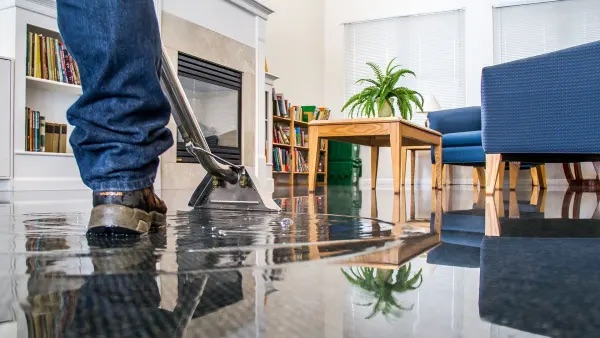
The water damage restoration process typically involves several stages, beginning with water removal and drying. Professionals will use specialized equipment, such as pumps and dehumidifiers, to extract water and moisture from the affected areas. After the water is removed, they will focus on drying out the space to prevent mold growth and structural damage.
Once drying is complete, the restoration team will assess the damage to walls, flooring, and other structural elements. Depending on the extent of the damage, repairs may range from simple cleaning to replacing drywall and flooring. The goal of this process is to restore the property to its pre-damage condition as efficiently as possible.
Follow-Up and Prevention Tips
After the restoration process is complete, it’s essential to follow up with maintenance to prevent future water damage. Regular inspections of plumbing systems, roofs, and gutters can help identify potential issues before they become significant problems. Consider investing in water detection systems that will alert you to leaks or flooding in your home.
Additionally, educate your household about the importance of addressing leaks immediately and maintaining a clean, dry environment to mitigate mold growth. Implementing these preventive measures will not only protect your property but also provide peace of mind against future water damage incidents.
Conclusion
Water damage is an unfortunate reality that many homeowners face, but understanding the restoration process can significantly mitigate its impact. From ensuring safety and stopping the source of water to contacting insurance and professional cleaning services, each step plays a crucial role in restoring your property effectively. By following the outlined steps and remaining proactive, you can navigate the challenges of water damage restoration with confidence.
FAQs
What should I do first if I discover water damage?
Immediately assess the situation for safety, evacuate the area if necessary, and identify the source of the water. Your first priority should be ensuring everyone’s safety before proceeding to stop the water flow and document the damage.
Can I handle water damage restoration on my own?
While minor water damage can sometimes be addressed independently, it is often advisable to seek professional help, especially for extensive damage. Professionals have the necessary training, tools, and experience to effectively restore your property.
Will my insurance cover water damage?
This depends on your policy. Most homeowner’s insurance covers sudden and accidental water damage but may not cover flooding or damage from slow leaks. Review your policy and discuss with your insurance agent to understand your coverage.
What preventative measures can I take to avoid water damage?
Regular maintenance inspections of plumbing and roofing systems, properly cleaning gutters, and using water detection systems can help prevent water damage. Promptly address any leaks or signs of moisture in your home.
How long does the water damage restoration process take?
The duration of the restoration process varies based on the extent of the damage. Minor issues may be resolved within a few days, while extensive damage can take weeks to fully restore. A professional service can provide a more accurate timeline during their assessment.